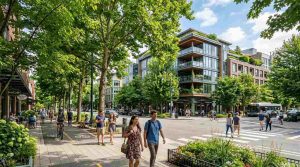
The presence of urban trees and their role in environmental health and sustainable urban planning are subject of growing debate. Cities keep expanding and cities with green areas are contributing to the reduction of pollution and the enhancement of community wellbeing. There are clear connections between tree canopy and reduced stress among city residents, which are being found. Today, urban forestry is considered by many environmental advocates to be a vital community asset for a healthy community.
Natural Shade as a Cooling Streets System
There may be an increase in the temperature levels of big cities because of concrete pavements without any form of vegetative growth. The tree canopy provides natural shade, which reduces the heat impact on individuals and surrounding structures.
Better Air Quality in Communities
Better air quality can contribute to children’s, seniors’ and asthmatics’ respiratory health.
Animals Rejoining Rehabilitated Urban Environments
It is small but important changes in terms of biodiversity that contribute to environmental balance in the urban environment. When the residents see wildlife coming back into their neighbourhoods, they get more involved in conservation.
End Notes
The trees in the canopy forest play multiple roles apart from beautifying the area currently. The other role that the trees are playing includes cooling the atmosphere and enhancing the air quality and health of the mind. It also improves the ecosystem in the area. It is becoming more and more known in the city that functional landscapes lead to the wellbeing of the people.