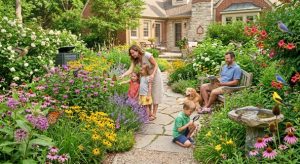
 The vegetation that exists near residences and communities affects the environment and health. The significance of native vegetation in achieving better air quality and healthy ecosystems has become increasingly popular. They adapt to the local climate naturally, as opposed to many other imported species; they need fewer resources to be a success. Designing for the use of native plants in an outdoor setting is a logical and effective method of supporting environmental health and enhancing the quality of life.
Making the Most Out of Water: Beauty and Efficiency
The vast majority of native plants will require much less water since they have been used to the rainfall of the area. This serves to preserve water at home and has beautiful scenery throughout the year. Moreover, water preservation is essential for general environmental sustainability during the dry periods.
Outdoor Places That Provide Everyday Wellness
The green space of the park attracts people to get out there to stroll, relax, and spend family moments. Nature can help reduce stress and improve one’s mental condition. Healthy living can be supported in the backyard by creating native gardens.
End Notes
The benefits of native plants are not just for aesthetic purposes; they also provide environmental and health benefits. They are beneficial in landscaping residential communities because of their water-saving capacity, beneficial impact on biodiversity, and the reduction of pollution. Many landscaping projects can benefit people and the environment for many years to come, just by making small modifications. Native plants will be a key element in more sustainable outdoor spaces, as it is a growing trend in gardening.